
Blog
Yantra Biz
June 22, 2026
10 Things to Check Before Buying a Used Tractor, Harvester, or Cultivator
Buying used machinery is a good way to help your farm grow without owing a lot of money. Used agricultural machinery cuts down on the work you have to do by hand; it helps you get your daily work done faster. It keeps your crops safe from bad weather. When you are looking at used machinery you have to pay close attention to what you are buying. A cheap machine turns into an expensive mistake if it has hidden mechanical failures.
To help you find dependable tools for your fields, Yantra Digital made this clear checklist. Check these ten areas before you spend your money.
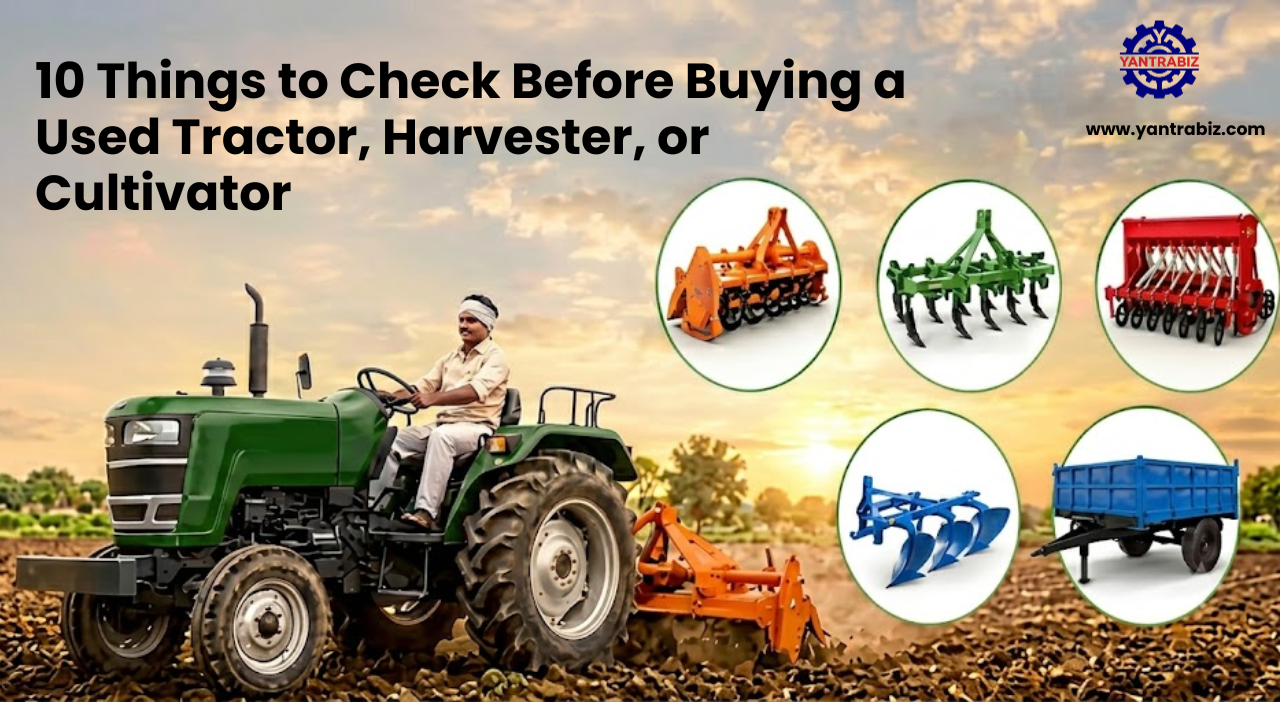
Why Farmers Prefer Used Agricultural Machinery
Modern farming tools are very tough. Manufacturers build them with heavy steel and strong engines that run for thousands of hours. Because these machines last so long, buying second hand farm equipment makes sense for farms of all sizes.
The biggest benefit is saving money. New machinery loses value as soon as it leaves the store. When you buy pre-owned equipment you avoid a big drop in value. This is a thing because it means you have extra money for things, like seeds and fertilizer and tools. Your workers probably already know how to use the pre-owned equipment so you do not have to spend a lot of time teaching them about new pre-owned equipment technology.
1. Check the Overall Machine Condition
Begin your farm equipment inspection with a slow walk around the unit. Park the machine on flat ground. Look closely at the main frame for fresh welds, patches, or cracks. These marks show that the steel broke from carrying loads that were too heavy.
Check all metal panels and shields for deep rust, big dents, or rollover damage. Look at the hitch areas where tools attach. If these parts are bent, the machine will not pull straight in your fields.
2. Inspect the Engine Performance
The engine is the most costly part of self-propelled agricultural machinery & equipment. Pull the dipstick out before you start the motor. Check the oil color. If the oil feels gritty or smells like it burned, the owner neglects the machine. A thick, milky brown film under the oil cap means coolant is leaking inside the block.
Start the engine when it is cold. It must start up fast without cranking. Watch the exhaust pipe for bad smoke:
- Black smoke means the engine needs a clean air filter or new fuel parts.
- Blue smoke shows the engine is burning oil because internal rings are worn out.
- White smoke means coolant is leaking into the cylinders.
Listen for deep metallic knocks or clicking sounds while the engine runs.
3. Examine the Transmission and Gearbox
A broken transmission will ruin your budget for used farming machinery. Drive the machine and shift through every gear. The shifts should feel smooth and firm. If a manual gearbox grinds or pops out of gear while driving, the internal parts are worn out.
If the machine uses a hydraulic drive, check for power loss when driving up a hill. Park on clean dirt after your test drive. Look underneath for fresh puddles of oil that show broken seals.
4. Inspect Hydraulic Systems and Attachments
Farms rely on hydraulic pressure to lift heavy tools and steer smoothly. Raise and lower the hitch or the front bucket several times. The arms should move evenly without shaking. If the lift arms creep downward while the machine holds a heavy tool in the air, internal valves are leaking fluid.
5. Check Tyres, Tracks, and Undercarriage
Buying new tyres or tracks costs a lot of money. Check the tractor or cultivator tyres for deep cracks along the side walls. These cracks happen when tyres sit in the sun too long. Measure the tread depth. If the main lugs are worn flat, the wheels will slip in wet mud.
If you are buying a harvester with tracks, check the rollers and teeth. Uneven wear means the track frame is bent, which uses more fuel.
6. Review Electrical Components and Controls
Pre-owned machines use wires and screens to guide your work. Sit in the seat and flip every switch. Watch the gauges to ensure the battery is charging.
Test the safety switches, lights, and cab fans. Look under the hood for bare wires, taped joints, or damage from rats. Bad wiring causes electrical issues that are very hard to fix later.
7. Verify Maintenance and Service History
The state of a machine tells you how the last owner treated it. Ask the seller for written service records or receipts from repair shops. Look for regular oil and filter changes based on the hours used.
Check if mechanics rebuilt the engine or replaced the clutch. If a seller has no paperwork, assume they did not maintain the machine well.
8. Confirm Spare Parts Availability
Think about how easy it is to buy parts before you sign the deal. Buying an uncommon brand just because it is cheap is a big risk.
If a part breaks during harvest, waiting weeks for shipping costs you time and money. Stick to popular brands with local shops that keep parts on their shelves.
9. Conduct a Field Test Before Purchase
Do not buy second hand farm equipment just because it looks clean in a parking lot. Demand a real test in a field with a real load.
- For Tractors: Hook up a plow and turn over some dirt. This forces the engine and clutch to work hard, exposing problems like overheating.
- For Harvesters: Turn on the threshing parts and fans to listen for bad bearings.
- For Cultivators: Drop the blades into the soil to see if they dig evenly.
10. Verify Ownership and Documentation
Protect yourself from legal stress by checking the paperwork. Match the numbers stamped on the steel frame with the title and bills.
Ensure the seller does not owe money to a bank for the machine. If you buy from a private person, check their identity to ensure they own the equipment.
Common Mistakes to Avoid When Buying Used Agricultural Machinery
Buying pre-owned tools requires balancing cost and quality. Avoid these four common errors to protect your money:
The Price Trap: Buying a machine simply because it has the lowest price is a mistake. A low price usually means big repairs are coming soon. Those repairs often cost more than a better machine.
- Skipping the Mechanic: Skipping a professional inspection leaves you guessing. A good mechanic has tools to test oil pressure and catch hidden problems before you buy.
- Forgetting Extra Costs: Forgetting transport and repair costs ruins your budget. Always add in the cost of trucking the machine to your farm and buying new belts or blades.
- Picking the Wrong Size: Buying the wrong size for your land hurts efficiency. A huge harvester is hard to turn in small fields, and a giant tractor wastes fuel on small jobs.
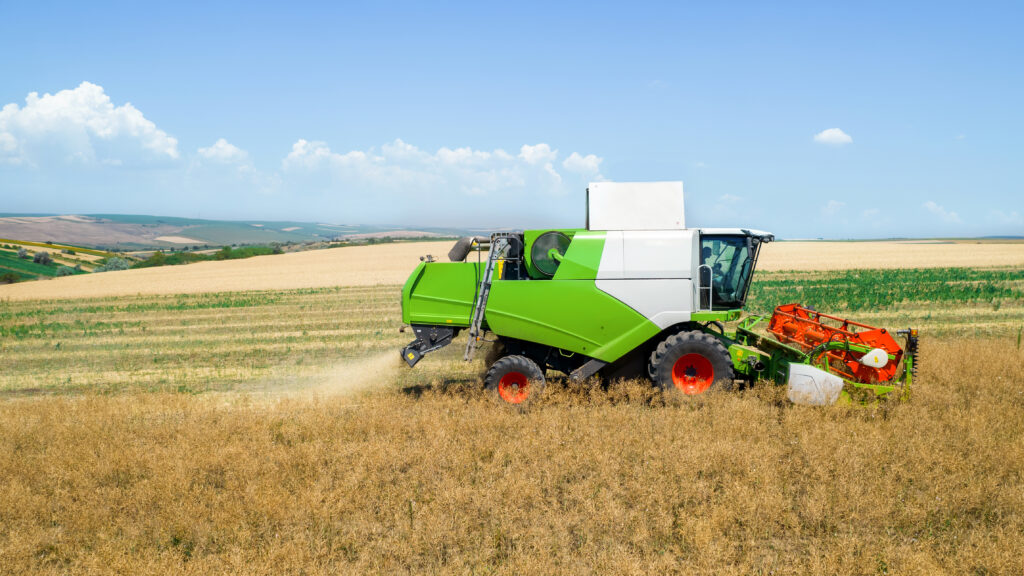
Conclusion- Invest Carefully in Used Agricultural Machinery
Buying pre-owned farm tools is a great way to grow your business. If you use this ten-step guide, you can find a great machine and avoid bad ones. Take your time, look at the details, test the unit in the dirt, and check the title.
A careful search brings you a reliable tool that works hard for your farm for many years.
Ready to take your business to the next level?
 Visit Yantra Bizhyp.com and start your digital transformation today!
FAQs About Used Agricultural Machinery
The engine and transmission are the key parts. Fixing them costs a fortune. Check for clean fluids, fast starts, clean exhaust, and smooth gear changes under a heavy load.
Look inside the feeding areas, drums, and grain tanks. Thin metal, patch welds, or loud rattles when the parts spin mean the machine worked too hard and needs repairs.
Dealers offer inspected machines, clear titles, and short warranties, but they charge more. Private Sellers have lower prices, but you buy the machine with no warranty or help if it breaks.
It depends on the brand. Big companies keep parts ready for decades. Little-known brands that stopped making tools are very hard to find parts for when things break.
A parked machine hides flaws. Running the tools in dirt heats up the engine and systems. This pressure shows faults like overheating, hydraulic leaks, or a slipping clutch.
Yes. A well-kept machine gives you great service for a fraction of the cost of a new one. Just make sure to check the service history before you pay.